

Can a massage affect your epilepsy?
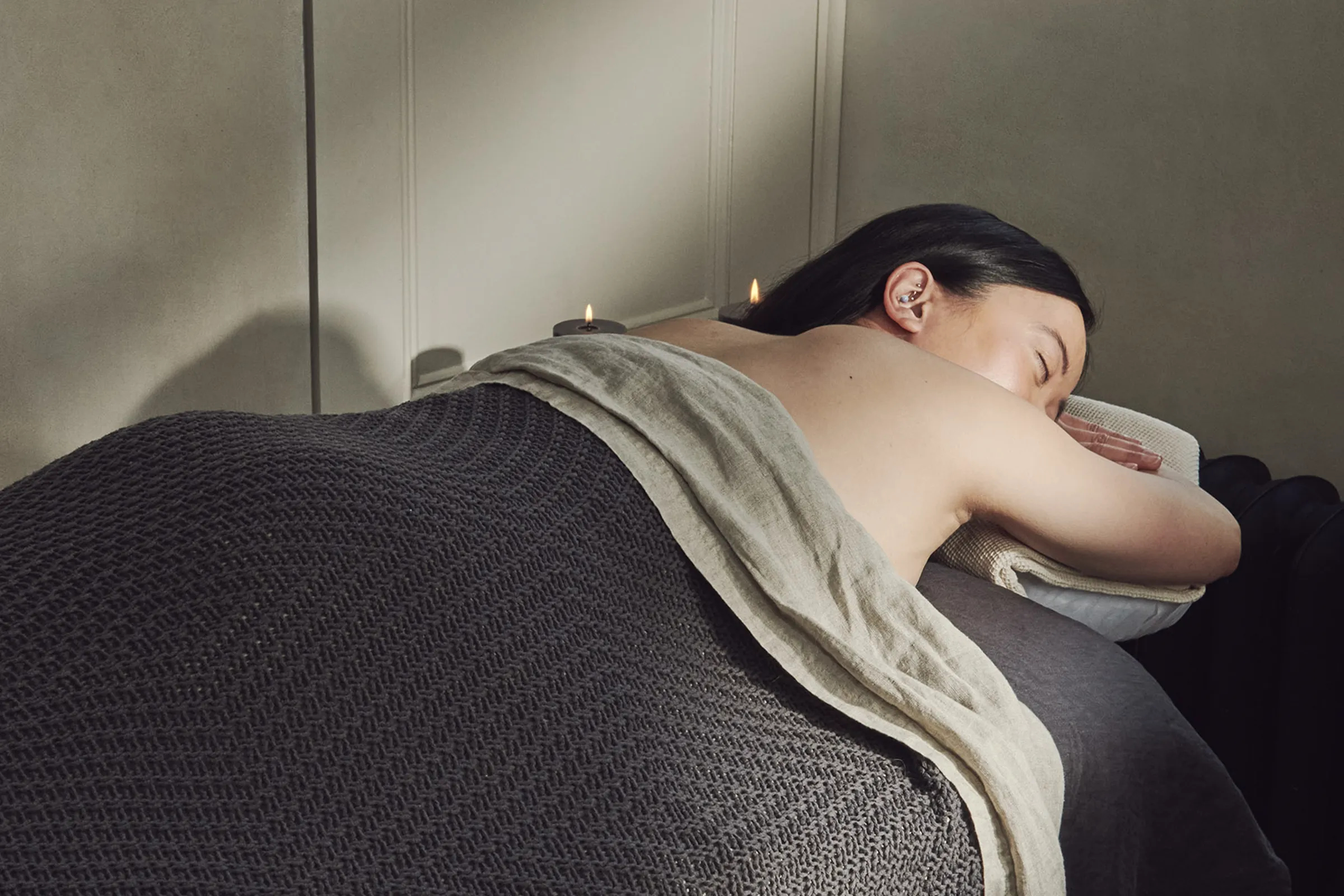
About this post
Epilepsy affects the brain, so it might not seem like something that impacts your massage – but it can. Find out more in this blog.
Posted by
Tanvi from UrbanTags
- Health conditions
Share
Before every Urban treatment, your therapist will ask a few quick questions about your health. It’s not just small talk — it’s to make sure your massage is safe and tailored to you.
For most people, that might mean working around a sore spot or pregnancy. But for some conditions, like epilepsy, it takes a little extra care.
Why it’s important to talk to your pro
Epilepsy affects the brain, so it might not seem like something that impacts your massage — but it can.
If you have epilepsy, it’s always best to check in with your GP first, and let your therapist know before your session begins. This helps them choose the right approach, pressure, and techniques for you.
According to UK equality laws, everyone has the same right to access beauty and wellness treatments. So there’s no reason to miss out — it’s simply about finding the safest, most relaxing experience possible.
As Nicola Swanborough from the Epilepsy Society explains: “Massage promotes wellbeing and reduces stress for people with epilepsy and can be used alongside any epilepsy medications they are taking. Where seizures are triggered by stress, a massage that helps reduce stress may, for some people, also help reduce seizures.”
That means a calm, restorative treatment could actually help you manage triggers like stress, tension, and poor sleep.
The best massage types for epilepsy
There’s no one-size-fits-all answer — it depends on your type of seizures and how your body reacts.
Massage therapist Dianne explains:
“For those with tonic-clonic seizures, it can be beneficial to work on the body and limbs, as these areas often contract during seizures.”
Generally speaking:
Hot stone and grounding head massages are considered safe and deeply relaxing
Energy work to the head should be avoided
Reflexology can be a great choice if stress is a trigger — but too much stimulation might have the opposite effect
The golden rule? Book with a therapist who understands epilepsy and always mention it when you schedule your treatment.
Aromatherapy and essential oils: What to avoid
Certain essential oils can increase the risk of seizures — including fennel, rosemary, and sage.
If your treatment includes aromatherapy, ask your therapist (or your doctor) for a full list of oils to avoid.
Instead, go for calming options like ylang ylang, chamomile, or lavender — all known for their soothing, stress-relieving effects.
And make sure your therapist is a qualified aromatherapist, so they can safely adapt the blend for you.
If you’re on a ketogenic diet
Some people follow a ketogenic diet to help manage epilepsy symptoms. If that’s you, mention it when booking.
Side effects like dizziness, fatigue, or nausea can influence how your therapist positions you and how the session is paced — all to make sure you’re comfortable and get the most from your treatment.
The bottom line
Every person – and every experience with epilepsy – is unique.
The key to a safe, restorative treatment is open communication. Tell your therapist before you begin, share how you’re feeling, and never hesitate to ask questions.
Because when your therapist knows your body, they can help you feel your best — safely, confidently and completely relaxed.
Related articles
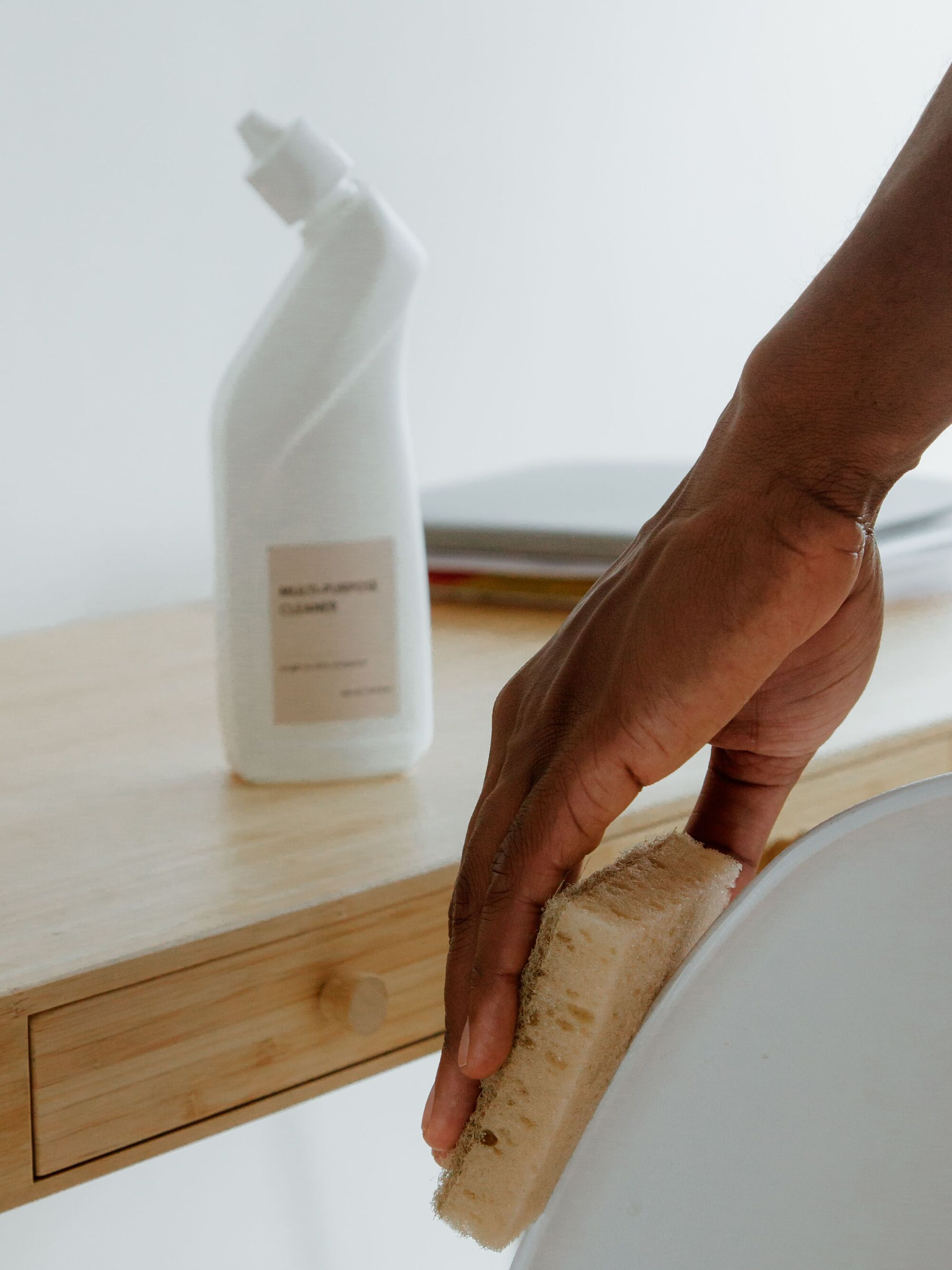
An exploration of why cleaning genuinely lifts mood—drawing on the psychology of task feedback loops, a Florida State study on mindful dishwashing, and the sense of control it offers during stressful periods. Also draws an honest line between cleaning as therapeutic ritual and cleaning as avoidance, and makes the case for when it's healthiest to just book a pro instead.
Read more
A look at how a cluttered home office quietly undermines focus and cognitive performance—drawing on Princeton attention research and the cortisol-clutter link—for anyone working from home. Reframes cleaning your workspace as performance maintenance rather than housekeeping, with practical daily, monthly and biannual habits.
Read more
A practical, room-by-room breakdown of realistic cleaning frequencies—kitchen, bathroom, bedroom, living room and home office—based on how quickly each space actually gets dirty. Replaces vague "clean when it needs it" advice with a concrete daily/weekly/monthly schedule, plus the honest case for consistency over ambition.
Read more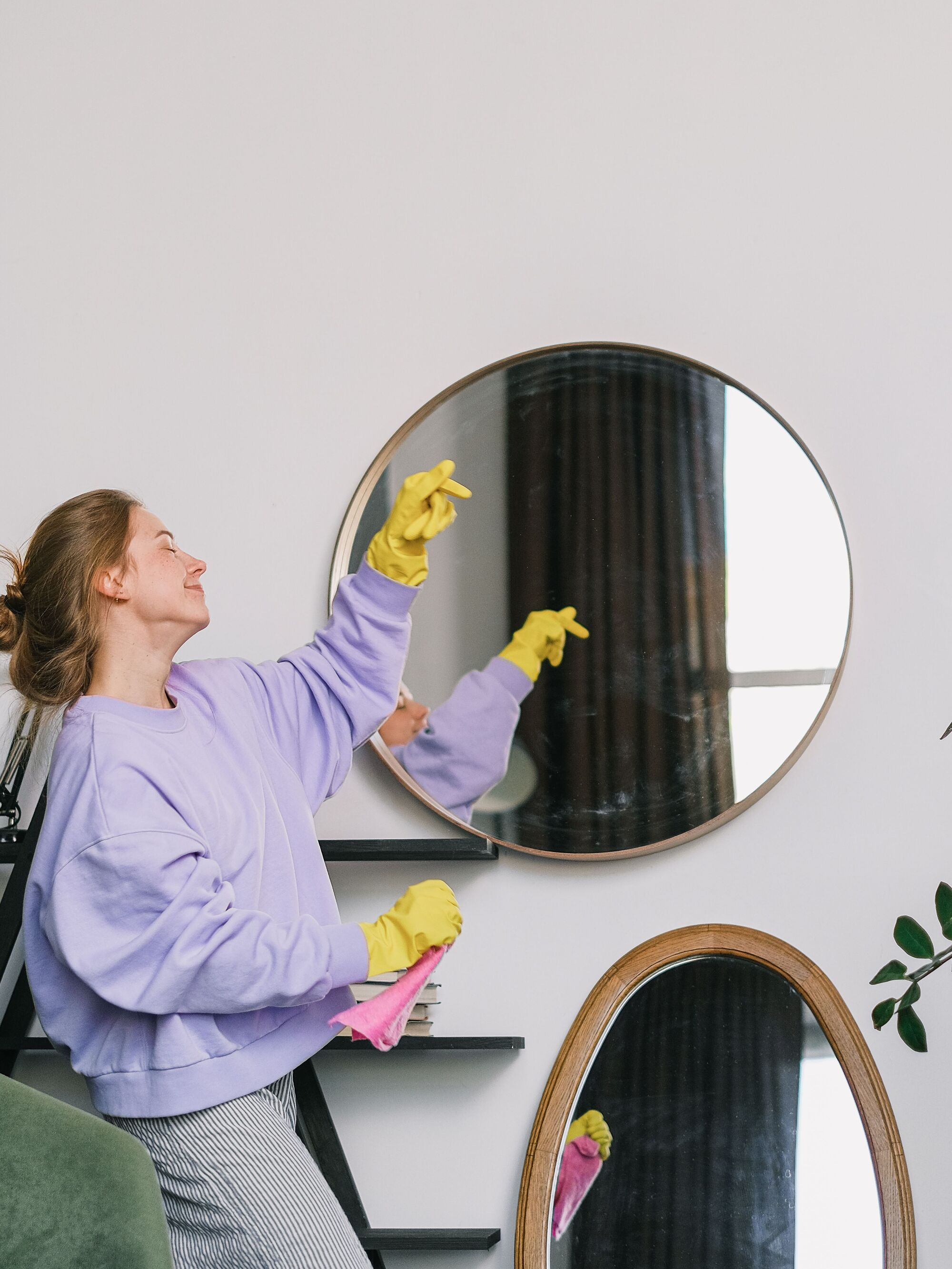
A seasonal case for cleaning as a genuine mental reset, not just tidying. Covers why transition points like end-of-summer are the natural moment to reset your space, the cortisol research linking clutter to stress, and how to treat a deep clean as a purposeful ritual rather than another chore—plus when it's worth bringing in help to make sure it actually happens.
Read more
A look at how bedroom clutter and dust quietly undermine sleep quality—from the neuroscience of visual clutter keeping your brain "on alert," to the dust and allergen buildup in bedding and carpets. Includes practical fixes, from wash temperatures to when a professional deep clean is worth the investment.
Read more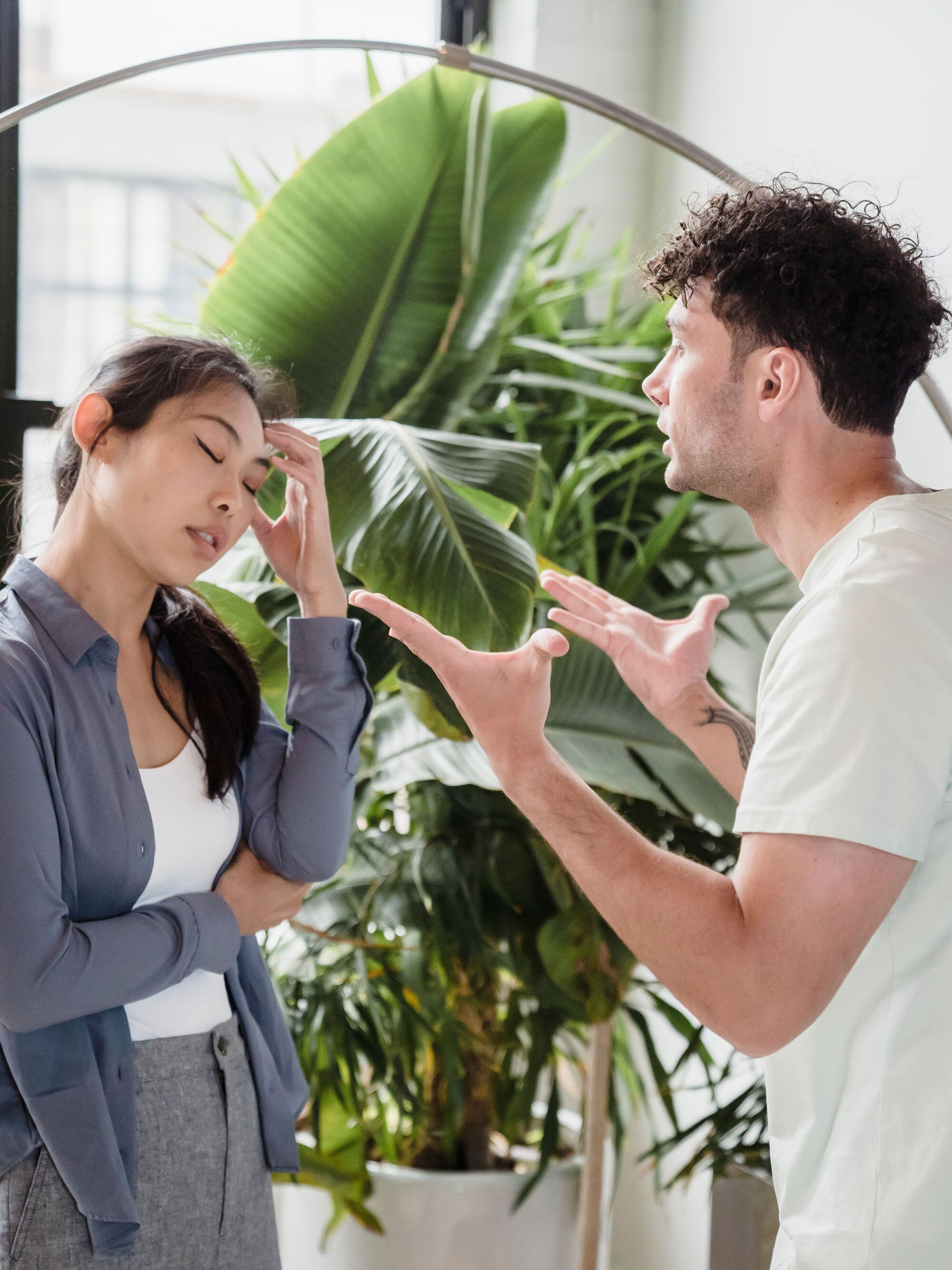
UK survey data on why cleaning causes more relationship friction than most couples expect—including the striking perception gap between partners on who does more—paired with Harvard research showing that outsourcing chores together, not dividing them differently, is the more reliable fix.
Read more