

Give your sore calves a treat with a leg massage
About this post
Sore legs? A massage could be exactly what you need
Posted by
ClaireTags
- Health conditions
- Massage
Book a treatment at home
Share
What causes sore leg muscles?
Sore leg muscles can happen at any time, for loads of different of reasons; from strenuous exercise, to walking briskly to the shops before they shut, and even out of the blue with no obvious cause. You may already have found yourself lying in bed when suddenly your leg begins to ache, or pushing for that extra mile on the treadmill when you feel something cramp up.
The legs contain a lot of parts that, when damaged, can be a source of discomfort or pain. These include:
Joints
Muscles
Tendons
Ligaments
Nerves
Skin
As well as pain, you might experience:
Numbness
Cramps
Tingling sensation
Weakness
Throbbing
Any one of these symptoms can be caused by simple injury or something more long-term, such as deep vein thrombosis, sciatica or even as a result of diabetes. It is important to ensure you know the cause of the problem in your legs before seeking massage treatment, in case massage isn’t recommended.
How can massage help ease leg and thigh pain?
Depending on the extent of your discomfort, massage may be very effective in alleviating the symptoms of pain in your legs. This is particularly true when it comes to exercise-related soreness.
One of the most common sports issues comes from tight quads or calves, which can have a knock-on effect on other parts of your legs. It is sometimes tricky to tell if you have tight calves, as it often comes with other distracting problems such as foot pain, achilles tendonitis, knee pain, discomfort in the hips or back, or shin splints.
Book an expert Sports Massage to your home in London, Birmingham, Manchester or Paris with the Urban app
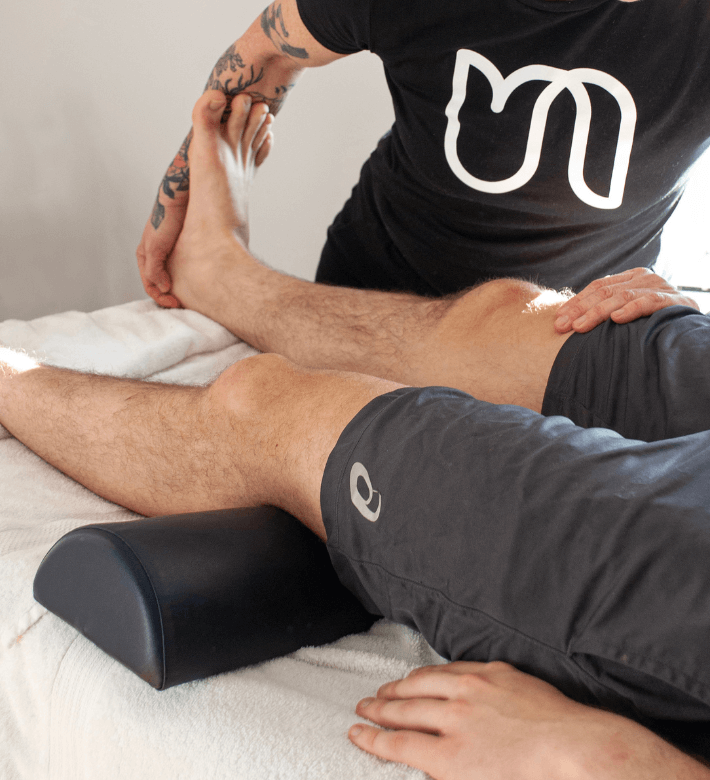
A massage can help tackle all of these symptoms by releasing tension all over the leg and stimulating the flow of blood. A massage therapist will apply techniques appropriate for your complaint, which will often involve light stroking, kneading and pulling the muscle, alongside applying pressure in circular motions.
It is important to note that you must not seek a massage immediately after an injury has occurred. It’s always advised to leave it for a few days, so that the massage doesn’t risk causing more harm.
Massage techniques to relax the calf muscles
If you don’t have the time or means to seek a qualified practitioner, then there are techniques you can do at home to help with leg soreness. The key is to remember not to apply too much pressure, as this can risk damaging the muscle further.
Try these simple steps:
Gently at first, stroke upwards along the entire leg in the direction of the heart. Begin to apply slightly more pressure with every up-stroke.
As the muscles loosen, introduce some kneading using your thumbs, fingers, knuckles, along with a bit more pressure. Allow your hands to follow the shape of the legs, taking time to locate any knots that might require more attention.
When you have located these knots, or “trigger points”, you may wish to apply more deep, prolonged pressure with your thumbs to release them. Ensure you don’t overdo it, but apply pressure until you feel the muscles start to release.
Can you have a leg massage if you’re pregnant?
One of the symptoms of pregnancy can be swollen or sore legs, with feelings of pain, numbness, or tingling sensations. A leg massage is totally fine if you’re beyond your first trimester, although you should always speak with your doctor first, and consider booking a specialist pregnancy massage.
For an even better booking experience, download the Urban app and book massage, physio, facials from your phone, to your home.
Make life easierRelated articles
An exploration of why cleaning genuinely lifts mood—drawing on the psychology of task feedback loops, a Florida State study on mindful dishwashing, and the sense of control it offers during stressful periods. Also draws an honest line between cleaning as therapeutic ritual and cleaning as avoidance, and makes the case for when it's healthiest to just book a pro instead.
Read more
A look at how a cluttered home office quietly undermines focus and cognitive performance—drawing on Princeton attention research and the cortisol-clutter link—for anyone working from home. Reframes cleaning your workspace as performance maintenance rather than housekeeping, with practical daily, monthly and biannual habits.
Read more
A practical, room-by-room breakdown of realistic cleaning frequencies—kitchen, bathroom, bedroom, living room and home office—based on how quickly each space actually gets dirty. Replaces vague "clean when it needs it" advice with a concrete daily/weekly/monthly schedule, plus the honest case for consistency over ambition.
Read more
A seasonal case for cleaning as a genuine mental reset, not just tidying. Covers why transition points like end-of-summer are the natural moment to reset your space, the cortisol research linking clutter to stress, and how to treat a deep clean as a purposeful ritual rather than another chore—plus when it's worth bringing in help to make sure it actually happens.
Read more
A look at how bedroom clutter and dust quietly undermine sleep quality—from the neuroscience of visual clutter keeping your brain "on alert," to the dust and allergen buildup in bedding and carpets. Includes practical fixes, from wash temperatures to when a professional deep clean is worth the investment.
Read more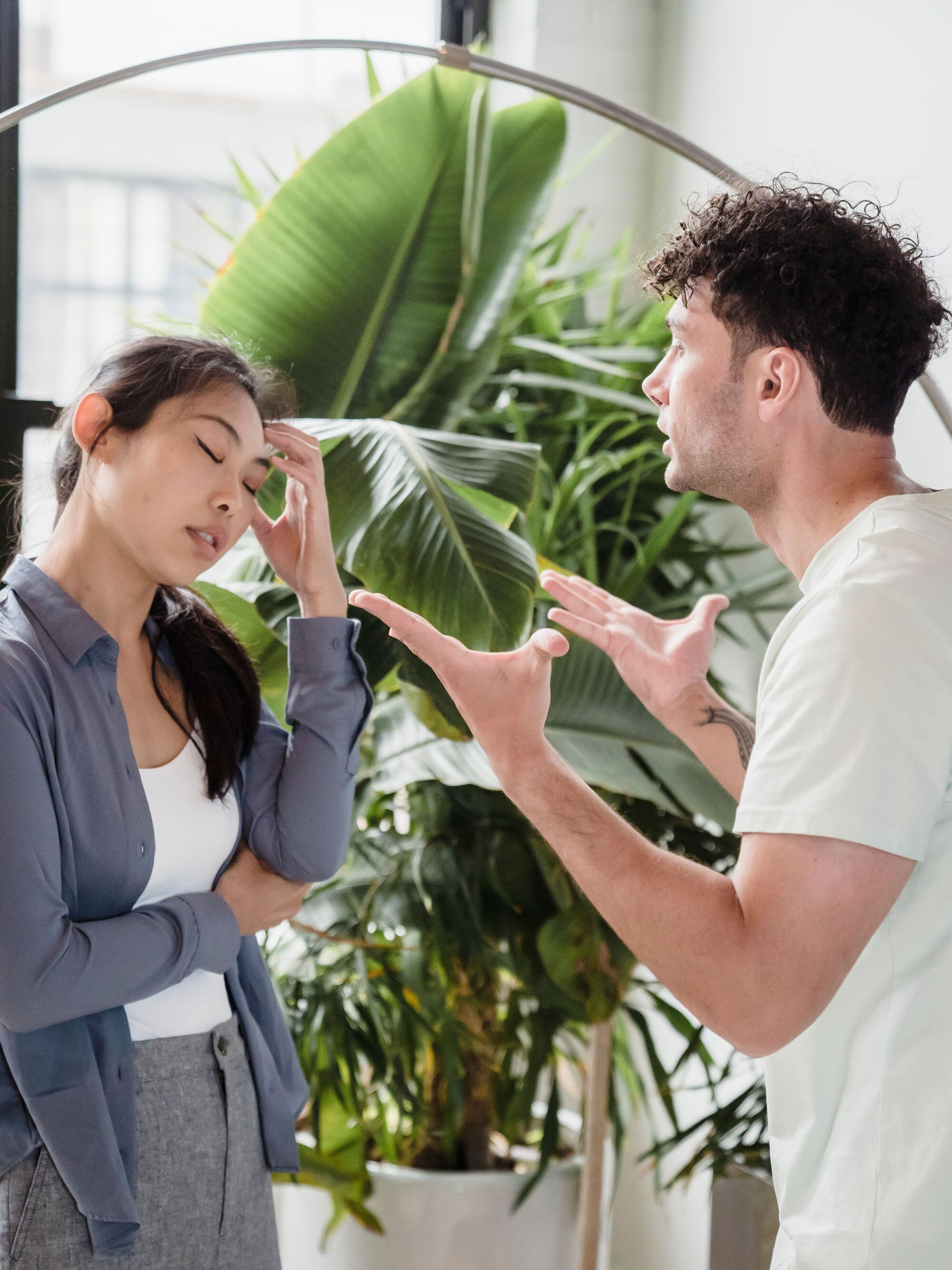
UK survey data on why cleaning causes more relationship friction than most couples expect—including the striking perception gap between partners on who does more—paired with Harvard research showing that outsourcing chores together, not dividing them differently, is the more reliable fix.
Read more