

Give yourself a hand massage
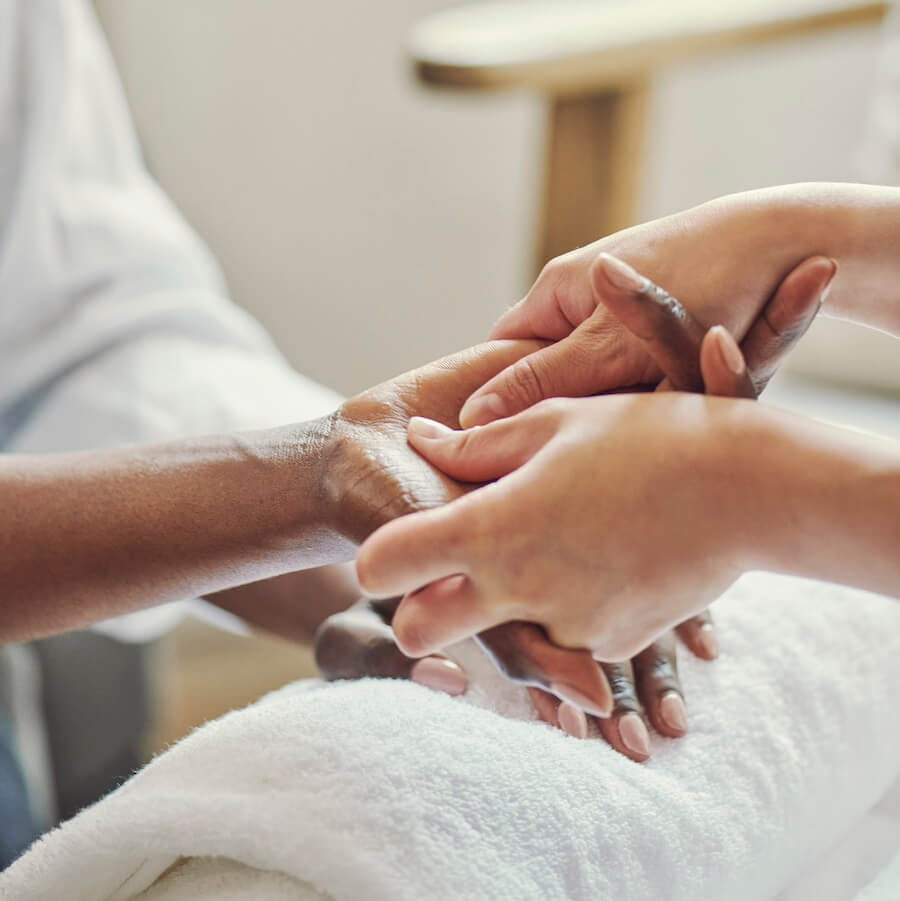
About this post
Learn more about the ancient healing practice of hand reflexology with this handy guide.
Posted by
Nadege, lead therapistWhat is hand reflexology?
Hand reflexology is an ancient healing practice that targets specific areas of your body by applying pressure to points on the hands. It is a quick, simple treatment that can help to alleviate a variety of ailments and issues.
It has been known to be effective in bringing about instant relief from pain and tension, although these results may also be cumulative.
Hand reflexology shares many principles with acupuncture, in that it relies on a belief that our bodies contain channels of energy. Over time, these channels can become blocked, resulting in illness.
Hand reflexologists believe that by applying pressure to certain parts of the hands, these energetic channels can be cleared. By removing the blockage you can restore balance and well-being to the whole body.
Read more: Five things a reflexologist can tell, without you saying anything
What are the benefits of a hand massage?
Even though a hand massage may seem simple, it can provide a whole host of health benefits. These may include:
Boosting circulation: either following an injury or as a result of a long-term complaint, such as Raynaud’s.
Increased flexibility: by improving mobility and easing joint movement, particularly in older people suffering from rheumatoid arthritis.
Pain relief: from chronic issues such as arthritis and osteoarthritis. It can also contribute to the alleviation of common everyday difficulties caused by repetitive motion, such as carpal tunnel caused by computer use.
This type of treatment may also provide some relief for the following conditions:
Headaches
Shoulder and back pain
Stress
Sports injuries
Irritable bowel syndrome
Symptoms of menopause
Sinus and breathing problems
How to do hand reflexology at home

If you’re interested in trying hand reflexology, the best thing to do is find a qualified reflexologist. They will be able to apply their specialist knowledge to meeting your specific goals.
However, if you’re just looking for general relaxation you can try the basics either yourself or with the help of a willing friend!
Here are five steps you can follow at home:
Relax the hand by rubbing your thumb in wide movements over your palm, working out from the centre to the edges. Then, gently rub down in long, straight motions from the knuckles to the wrist. Be careful not to press too hard and hurt yourself
Wrap your hand round each finger one by one and gently rotate at the joint, as if using a joystick on an arcade machine. You may like to add a small amount of oil or hand cream.
Wake up the hand meridians by pinching the end of each finger. You can see which meridian each point relates to by looking at a reflexology map . Remember that each hand is different!
Starting at the base of each finger, rub in small anti-clockwise circles until you reach the tip.
Apply gentle pressure in small circles all over the palms, pads and backs of the hand, working down to the wrist.
Drink a big glass of water! Increased circulation may result in your body processing expelling waste, toxins and lactic acid faster, so it needs water to help flush everything out.
Discover the magic of at-home treatments with the Urban app. Just choose your treatment, select the time and place, and relax. Your pro will come to you with everything they need.
Learn moreRelated articles
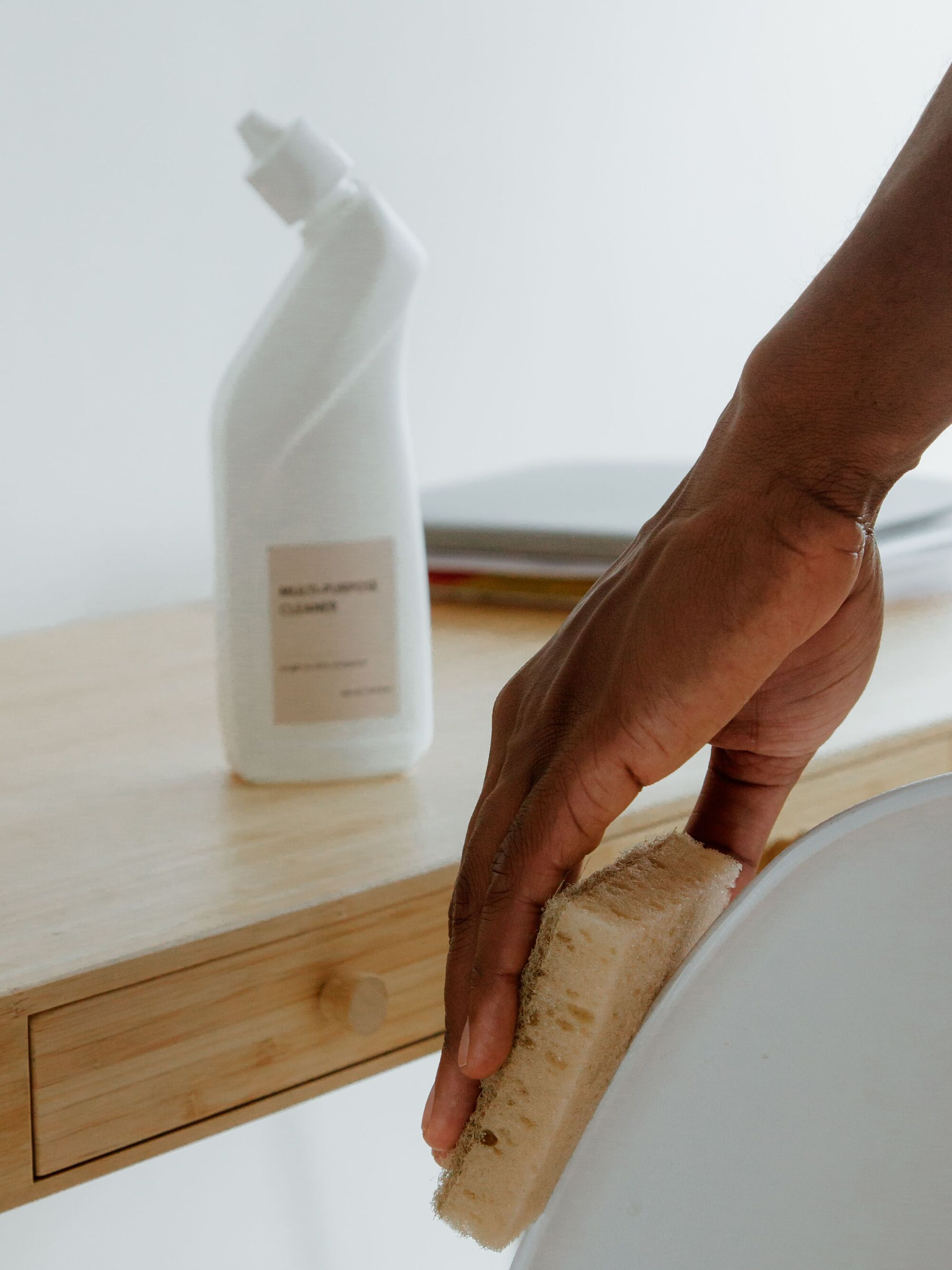
An exploration of why cleaning genuinely lifts mood—drawing on the psychology of task feedback loops, a Florida State study on mindful dishwashing, and the sense of control it offers during stressful periods. Also draws an honest line between cleaning as therapeutic ritual and cleaning as avoidance, and makes the case for when it's healthiest to just book a pro instead.
Read more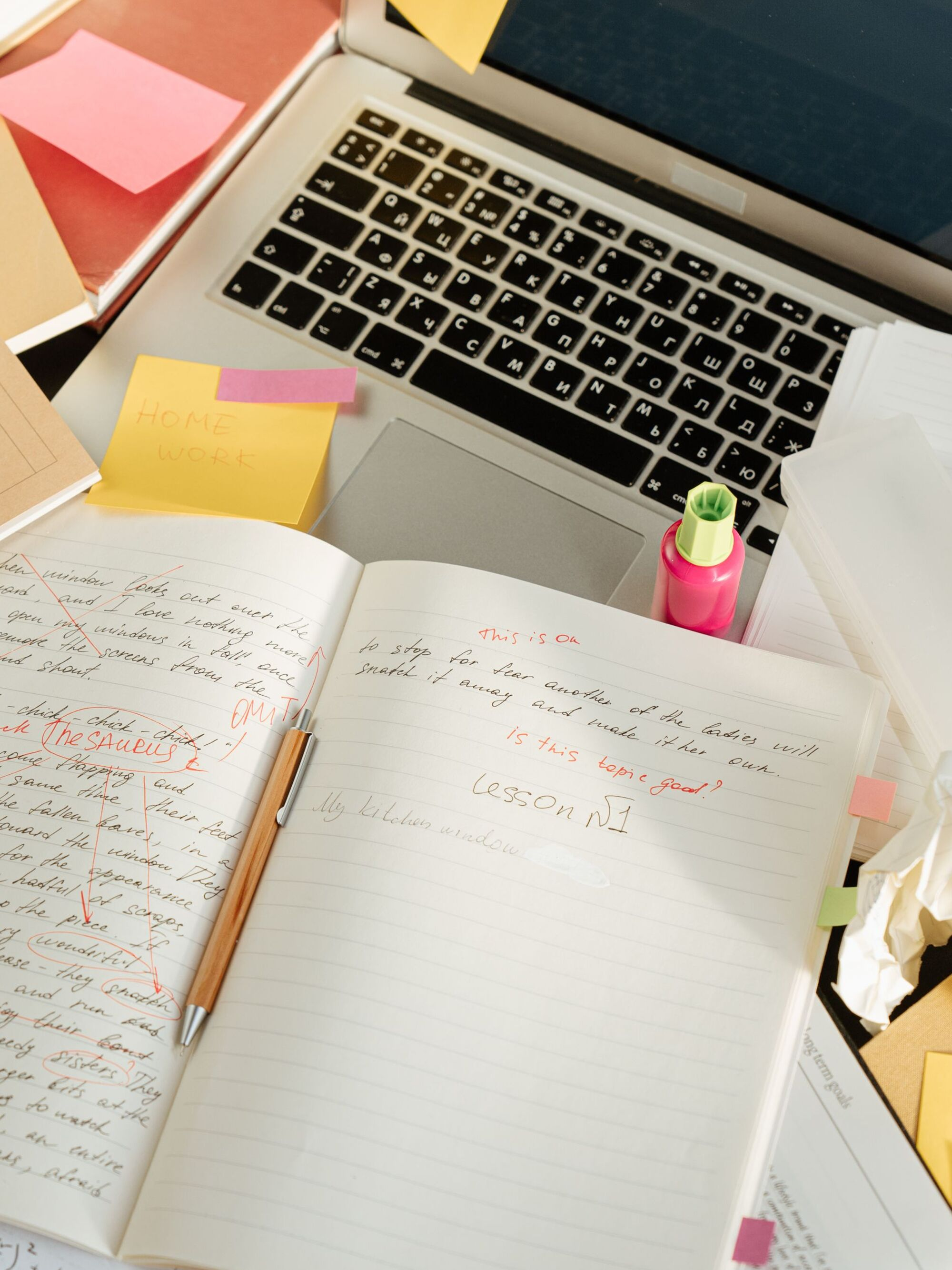
A look at how a cluttered home office quietly undermines focus and cognitive performance—drawing on Princeton attention research and the cortisol-clutter link—for anyone working from home. Reframes cleaning your workspace as performance maintenance rather than housekeeping, with practical daily, monthly and biannual habits.
Read more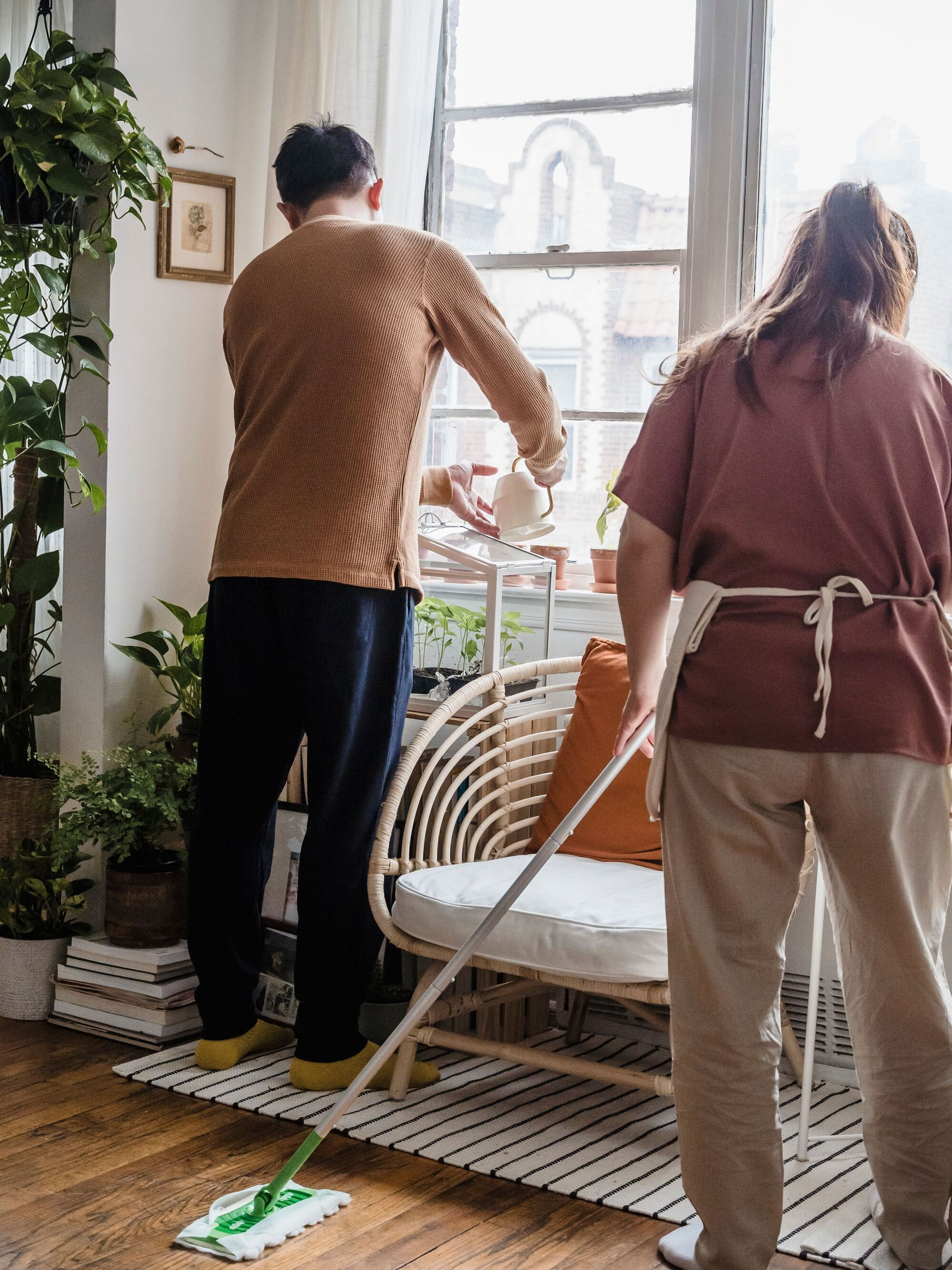
A practical, room-by-room breakdown of realistic cleaning frequencies—kitchen, bathroom, bedroom, living room and home office—based on how quickly each space actually gets dirty. Replaces vague "clean when it needs it" advice with a concrete daily/weekly/monthly schedule, plus the honest case for consistency over ambition.
Read more
A seasonal case for cleaning as a genuine mental reset, not just tidying. Covers why transition points like end-of-summer are the natural moment to reset your space, the cortisol research linking clutter to stress, and how to treat a deep clean as a purposeful ritual rather than another chore—plus when it's worth bringing in help to make sure it actually happens.
Read more
A look at how bedroom clutter and dust quietly undermine sleep quality—from the neuroscience of visual clutter keeping your brain "on alert," to the dust and allergen buildup in bedding and carpets. Includes practical fixes, from wash temperatures to when a professional deep clean is worth the investment.
Read more
UK survey data on why cleaning causes more relationship friction than most couples expect—including the striking perception gap between partners on who does more—paired with Harvard research showing that outsourcing chores together, not dividing them differently, is the more reliable fix.
Read more